

The State of UK Horse Racing: What’s Not On
In the vibrant world of UK horse racing, fans and bettors alike are always eager for the thrill of the next big event. However, there are times when the tracks are silent, and races are not happening as expected. This article will explore the various aspects of UK horse racing when events are not on, including the reasons for cancellations, the impact on the industry, and what this means for racing enthusiasts. For detailed insights and updates, visit UK Horse Racing Not On Gamstop https://www.porphyrios.co.uk, a resource dedicated to horse racing news and analysis.
Understanding Race Cancellations
Race cancellations can occur for a multitude of reasons, ranging from adverse weather conditions to regulatory issues. In the UK, the weather plays a significant role in the scheduling of races. Sudden downpours, snow, or freezing temperatures can render tracks unsafe for both horses and jockeys. Furthermore, if the ground becomes too soft or too firm, it can lead to the decision to cancel or postpone races to ensure the safety of all participants.
Aside from weather-related cancellations, race meetings may also be called off due to other logistical issues such as insufficient entries, emergency situations, or, in some extreme cases, public health concerns, as witnessed during the COVID-19 pandemic.
The Economic Impact of Not Racing
The implications of race cancellations extend beyond the immediate disappointment felt by fans and betters. Financial losses can ripple through the industry, affecting not just the tracks but also trainers, owners, and other stakeholders. When events are called off, there is a significant loss in revenue, which can undermine the operational stability of racing venues.
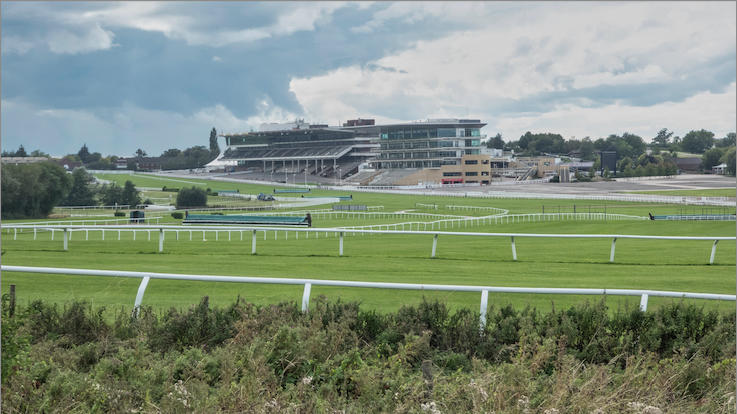
Attendance fees, betting income, and sponsorship deals are vital components of the racing economy. The cancellation of high-profile events, in particular, can lead to substantial financial setbacks. For instance, events like the Cheltenham Festival or Royal Ascot attract thousands of spectators and generate millions in betting revenue. Therefore, the absence of these events can have a far-reaching impact on the financial health of the entire horse racing ecosystem.
What Happens When Races Are Not On?
When races are not on, several alternative activities and considerations enter the mix. For fans, this could mean switching attention to other sports or engaging in online platforms that provide virtual racing experiences or simulations. Many betting companies have adapted by offering ‘virtual racing’ products, where computer-generated races occur, providing a semblance of the excitement of actual racing while tracks remain closed.
For horses and trainers, downtime may present opportunities for training and rehabilitation. Trainers often take this time to work closely with their horses, focusing on enhancing their fitness and skills without the pressures of competition. This can play an essential role in preparing horses for future races, ensuring they are in optimal condition when events do resume.
Fans’ Perspectives and Community Impact
The horse racing community is robust and deeply passionate. Fans often have strong emotional ties to their favorite horses and races. When events are not taking place, it can affect community engagement and support for local racing. Fans utilize social media to share their experiences, which can help maintain interest and excitement about upcoming races. Online communities can rally to support their local tracks, host discussions, and build anticipation for future seasons.
With the rise of digital platforms, many racing enthusiasts turn to websites and social media to stay updated on any changes and share insights during these quieter times. They seek alternative forms of entertainment and information, often resulting in an increase in online trivia, podcasts, and racing commentary as fans look for ways to fill the void.
The Future of UK Horse Racing
As the racing community adapts to ongoing changes, many stakeholders are looking for innovative solutions to minimize the impact of race cancellations. This includes increased investment in technology for better track management, enhanced weather forecasting systems to predict issues ahead of time, and improved health protocols to ensure racing can proceed safely.
Additionally, the use of social media and online engagement tools can help to maintain the enthusiasm of fans during downtimes. Racing authorities and organizations are increasingly focused on enhancing the fan experience even when races are not on, as providing continuous engagement can help sustain interest and support for the sport.
Conclusion
In conclusion, the state of UK horse racing during periods when events are not on presents numerous challenges and opportunities. While cancellations can lead to significant disruptions and economic challenges, they also provide unique chances for trainers and fans to engage in alternative activities. As the racing community navigates these hurdles, adaptability, technology, and fan engagement will play crucial roles in sustaining interest and securing the future of the sport. Looking forward, a greater focus on innovation and community can help keep the spirit of horse racing alive, ensuring it remains a beloved pastime for generations to come.
Join the Conversation
As UK horse racing continues to evolve, it’s critical for fans and stakeholders to stay connected. Understanding the factors that lead to cancellations and managing expectations can help maintain the enthusiasm for this beloved sport. Continue following the developments in horse racing across the UK to ensure you’re always in the loop!